Preparing Your Home for Pollen Season With Smart Cleaning

March can make homes in Myrtle Beach feel dusty fast. Pollen hits hard in this area, and that yellow coating people see outside often finds its way indoors too. That is why preparing for pollen season starts inside the home, not just outside. With the right cleaning habits, you can reduce what settles indoors and help your air feel fresher.

Smart Cleaning Steps for Pollen Season That Make a Real Difference

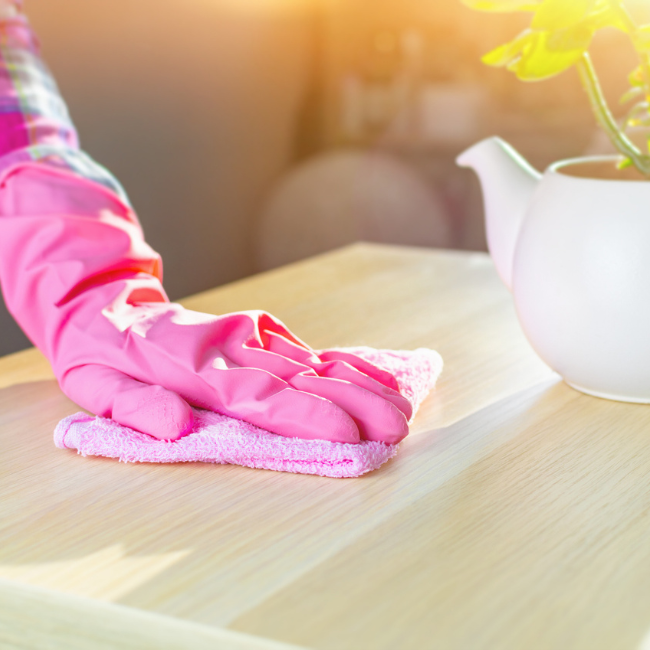
Start with the surfaces that trap and spread allergens the fastest. Dust with a damp microfiber cloth instead of a dry duster so you pick pollen up instead of pushing it back into the air. Then vacuum rugs, upholstered furniture and floors slowly and thoroughly. Soft surfaces hold onto fine particles, so this step helps your home feel cleaner instead of just looking cleaner.

Next, focus on the air itself. Clean return vents and replace HVAC filters so your system does not keep circulating old dust and pollen. Keep windows and doors closed on high pollen days to limit how much outdoor pollen drifts inside. These small steps can make a big difference once pollen levels start rising in March.

Your entry points matter just as much. Wipe down door frames, window sills and blinds where pollen tends to settle first. Wash throw blankets, pillow covers and bedding more often during pollen season because fabric traps what comes in on clothes, shoes and pets. If you want to stay ahead of pollen season instead of chasing it, these are some of the most effective places to clean first.

Bathrooms and kitchens deserve attention too. Run exhaust fans to help move stale air out, and wipe counters, cabinet fronts and light switches often because fine particles settle there quickly. If you have pets, clean around their bedding and favorite spots more often in March since fur can carry pollen deeper into the house after time outside.

A Cleaner Home Can Feel Like Relief During Pollen Season

When pollen starts building outside, indoor cleaning becomes more important than usual. A smart routine that targets fabrics, floors, vents and high-settling surfaces can cut down on what lingers in your home and make daily life more comfortable. If you want help getting your home ready for pollen season, call The Clean Up Club today. We’ll help you create a cleaner space that feels fresher from the moment you walk in.

FAQs


1. How do I keep pollen out of my house in March?

Keep windows and doors closed when pollen counts are high, especially on windy days. Wipe surfaces with a damp microfiber cloth, vacuum often and replace air filters so pollen does not keep moving through the house. It also helps to change clothes and shower after spending time outside.

2. What should I clean first during pollen season?

Start with floors, upholstered furniture, bedding and vents. These areas hold onto fine particles and can keep pollen moving around your home long after it comes inside.

3. Why does my house still feel dusty during pollen season?

Homes can still feel dusty because pollen mixes with normal household dust and keeps settling on surfaces. In Myrtle Beach, pollen can build quickly in March, so regular surface cleaning and filter changes matter even more during this time.

Spring Deep Cleaning: The 8 Places Winter Dirt Hides the Longest

Winter leaves behind more than chilly mornings and heavy blankets. It also leaves dust, grime and buildup in places most people do not notice right away. That is why spring deep cleaning matters so much. If your home still feels dull after a quick vacuum and wipe-down, there is a good chance winter dirt is still hiding in the spots you forgot to check.

Spring Deep Cleaning Starts With the Hidden Trouble Spots

A true deep clean goes beyond the surfaces you see every day. These are the eight places where winter dirt tends to stick around the longest.

1. Baseboards That Quietly Collect Dust

Baseboards take on more dirt than most homeowners realize. Dust settles there all winter, especially when windows stay closed and air keeps moving through the house. Wiping them down right away makes a room look brighter and cleaner.

2. Vents That Keep Spreading Dust

Dirty vents do more than look bad. They push old dust back into the air every time your system runs. Cleaning vent covers and replacing filters helps your home feel fresher and cuts down on the layer of dust that keeps coming back.

3. Door Frames That Get Missed

Door frames catch dust high up where few people think to look. They also hold fingerprints and grime near the edges. Once cleaned, they make the whole room feel more polished.

4. Under Furniture Where Dirt Settles Deep

Under couches, beds and chairs, dirt builds up fast. Pet hair, crumbs and dust bunnies collect there for months. Spring deep cleaning should always include pulling furniture out and cleaning underneath it well.

5. Light Switches and Door Handles

These small spots get touched every day, but they are easy to overlook. By spring, they often carry a layer of grime from constant use. A quick disinfecting wipe makes a bigger difference than most people expect.

6. Cabinet Fronts and Edges

Kitchen and bathroom cabinets hold onto grease, splashes and fingerprints. The edges near handles usually show the most buildup. Cleaning them helps those rooms feel less sticky and more cared for.

7. Window Sills and Tracks

Winter dust and outdoor debris settle into window tracks and sills over time. Even if the glass looks clean, these areas often stay dirty. Once you clean them out, windows feel fresher and the whole room looks sharper.

8. Behind Toilets and Around Bathroom Bases

Bathrooms collect grime in tight spaces fast. Behind the toilet and around the base often go too long without a true scrub. These spots need more than a quick mop if you want the room to feel truly clean.

Why a Real Reset Feels Better Than Surface Cleaning

A quick tidy helps for the moment, but it does not fix the dirt that winter leaves behind. When you clean the hidden spots, your home feels lighter, smells fresher and stays easier to manage. That is the real value of spring deep cleaning. If you want your home to feel fully reset for the season ahead, call The Clean Up Club today. We’ll handle the hidden grime so you can enjoy a cleaner, fresher home.

FAQs


1. What is included in spring deep cleaning?

Spring deep cleaning includes the areas regular cleaning often misses, like baseboards, vents, window tracks, cabinet fronts and the spaces under furniture. It goes beyond surface cleaning to remove built-up dirt and grime.

2. Why does my house still feel dirty after I clean?

Many homes still feel dirty because hidden spots keep holding dust and buildup. If those areas do not get cleaned, they continue to affect how the whole home looks and feels.

3. How often should I do a spring deep cleaning?

Most homes benefit from a full deep clean at least once each spring. Homes with pets, kids or high traffic might need deeper cleaning more often to stay ahead of buildup.

The Unexpected Life Change That Comes With Professional Cleaning

Most people think professional cleaning is about spotless floors and shiny countertops. Those results matter, but they aren’t the biggest change homeowners notice. When you bring in a professional cleaning service, the shift often happens in your daily life, your mindset and how your home supports you. As the new year begins, that difference becomes even more clear.

How Professional Cleaning Changes More Than Your Home

A clean home doesn’t just look better. It feels different. From a cleaner’s perspective, we see this transformation happen again and again.

Less Mental Clutter and Lower Stress

When your home feels messy, your mind often follows. Clutter and buildup create visual noise that quietly adds stress to your day. Professional cleaning removes that weight. Walking into a clean space helps you relax faster, think more clearly and feel more in control of your environment.

Better Routines That Stick

Many people plan better habits for the new year but struggle to keep them going. Professional cleaning helps reset your space so routines feel easier. When kitchens, bathrooms and living areas stay clean, daily tasks take less effort. That consistency makes it easier to keep up with simple habits instead of constantly catching up.

More Time for What Actually Matters

Cleaning takes time and energy, especially when buildup has been ignored. Professional cleaning gives that time back. Homeowners often say they spend less time worrying about chores and more time enjoying evenings, weekends and family moments. That freedom creates a noticeable shift in how home life feels.

A Home That Feels Supportive

Your home should support your life, not work against it. When professional cleaning stays consistent, your space feels calmer and more predictable. Instead of reacting to messes, you stay ahead of them. That sense of balance often carries into other parts of life, especially during busy seasons.

Why the New Year Is the Right Time to Start

The new year is about fresh starts and realistic changes. Professional cleaning works because it supports progress without adding more to your plate. It removes friction from daily life and helps you move forward with less stress and more confidence.

Start the Year With a Home That Works for You

The real value of professional cleaning shows up in how you feel each day. Less stress, better routines and a calmer space make a lasting impact. If you’re ready to experience that change, call The Clean Up Club today. We’ll help you start the new year with a home that feels lighter, cleaner and easier to live in.

FAQs


1. Can professional cleaning really reduce stress?

Yes. A clean and organized space reduces visual clutter and mental overload. Many homeowners feel calmer and more focused once cleaning stops feeling overwhelming.

2. How does professional cleaning improve daily routines?

When surfaces stay clean and clutter stays controlled, everyday tasks take less time and effort. That makes routines easier to maintain without burnout.

3. Is professional cleaning worth it for busy households?

Busy homes benefit the most. Professional cleaning saves time, reduces stress and helps families stay on track without sacrificing personal time.

Three Signs Your Home Is Overdue for a Deep Clean (From a Pro Cleaner’s Eye)

After cleaning homes day in and day out, professionals start to notice patterns fast. Some signs jump out the moment we walk through the door, even when a home looks tidy on the surface. If buildup goes unchecked, it becomes harder to manage and takes more time to correct. Knowing what to look for helps you step in early and protect your space.

Three Signs It’s Time for a Deep Clean

A deep clean reaches areas that routine cleaning skips. From a pro cleaner’s point of view, these are the top signs your home needs one now.

1. Dust and Grime Hide in Plain Sight

When we enter a home, we look beyond countertops. Thick dust on baseboards, ceiling fans and vents tells us regular cleaning hasn’t reached the right places. Grime around door frames, light switches and outlet covers also stands out fast. These spots collect buildup slowly, which is why many homeowners miss them. When they look dirty all at once, it’s a clear signal that deeper cleaning is needed.

2. Kitchens and Bathrooms Feel Sticky or Dull

Even clean-looking kitchens and bathrooms can give themselves away. Cabinets that feel tacky, cloudy fixtures and soap scum that won’t budge point to long-term buildup. These areas get daily use, so surface wiping alone doesn’t cut it. From a cleaner’s view, this is one of the strongest signs it’s time for a deep clean because grease, residue and moisture have settled in layers.

3. Odors Linger No Matter How Much You Clean

Smell tells us a lot. Musty air, stale odors or pet smells that don’t go away often come from soft surfaces, drains or hidden moisture. Carpets, upholstery and rugs trap more than people realize. When odors linger after routine cleaning, deeper work is needed to remove what’s causing them, not just cover them up.

Why Catching These Signs Early Matters

The longer buildup sits, the harder it becomes to remove. Deep cleaning resets your home and makes future upkeep easier. When you address issues early, you protect surfaces, improve air quality and reduce stress tied to constant cleaning that never feels finished.

Get Ahead of Buildup Before It Takes Over

Spotting these signs early helps you stay in control of your home. If dust returns fast, grime sticks around or odors won’t leave, it’s time to act. Call The Clean Up Club today to schedule a professional deep clean and get your home back to feeling fresh, comfortable and easy to maintain.

FAQs


1. How do professional cleaners spot when a home needs a deep clean?

Professional cleaners look at baseboards, vents, fixtures and hidden areas first. Heavy dust, buildup and lingering odors usually show up there before anywhere else.

2. Can regular cleaning replace a deep clean?

Regular cleaning helps maintain a home, but it doesn’t remove long-term buildup. A deep clean resets the space so routine cleaning actually works better afterward.

3. How often should a deep clean be done?

Most homes benefit from a deep clean every three to six months. Homes with pets, kids or high humidity often need them more often.

Does My Home Need a Deep Clean? 7 Signs That Point to Yes

Keeping up with everyday cleaning helps, but sometimes it isn’t enough. Dirt, dust and buildup slowly collect in places you don’t notice right away. If your home feels off even after you tidy up, it might be time to look closer. These signs will help you decide if your home needs a deep clean and why acting now can make a big difference.

7 Clear Signs Your Home Needs a Deep Clean

A deep clean goes beyond surface-level tasks. It targets the hidden areas that regular cleaning misses. Here are the most common signs it’s time to schedule one.

1. Dust Comes Back Too Fast

If dust shows up again just days after cleaning, buildup likely hides in vents, baseboards or ceiling fans. A deep clean removes dust at the source instead of chasing it around the house.

2. Your Home Smells Musty

Lingering odors often come from soft surfaces, drains or hidden moisture. Regular cleaning masks smells, but deep cleaning tackles what causes them.

3. Allergies Feel Worse Indoors

Sneezing or itchy eyes at home often signal trapped dust, pet dander or pollen. A deep clean clears allergens from carpets, furniture and hard-to-reach spots.

4. Grime Builds Up in Kitchens and Bathrooms

Sticky cabinets, cloudy fixtures or soap scum that won’t budge point to long-term buildup. These areas need extra attention to restore a fresh, sanitary feel.

5. Floors Never Look Truly Clean

If floors stay dull or gritty even after mopping, dirt has likely worked its way into grout, corners or carpet fibers. Deep floor cleaning brings them back to life.

6. You Haven’t Cleaned Behind or Under Furniture

Out of sight often means out of mind. Dust and debris collect behind appliances, couches and beds. Deep cleaning reaches these forgotten spaces.

7. It’s Been Months Since Your Last Reset

Time alone matters. If it’s been several months since your last thorough clean, buildup has had plenty of time to settle. Scheduling a deep clean helps reset your home and protect its condition.

Why a Deep Clean Changes How Your Home Feels

When you deep clean, your home doesn’t just look better. It feels lighter, smells fresher and stays cleaner longer. Tackling buildup now saves time later and makes routine cleaning easier to manage.

Get Back to a Home That Feels Fresh and Comfortable

Recognizing the signs early helps prevent bigger messes and stress down the road. If your home checks off more than one of these signs, it’s time to act. Call The Clean Up Club today to schedule a deep clean that restores comfort and gives your home the fresh start it deserves.

FAQs


1. How often should a home get a deep clean?

Most homes benefit from a deep clean every three to six months. Homes with pets, kids or heavy foot traffic often need them more often.

2. What’s the difference between regular cleaning and deep cleaning?

Regular cleaning focuses on visible surfaces and basic upkeep. Deep cleaning targets buildup in hidden areas like baseboards, vents, grout and behind furniture.

3. How long does a deep clean usually take?

The time depends on home size and condition. Most deep cleans take several hours and sometimes a full day for larger homes.

Clean Before New Year: Reset Your Home for a Fresh Start

The end of the year brings reflection, celebration and a chance to reset. Before you welcome a new year, your home deserves a fresh start too. When you clean before new year celebrations begin, you clear clutter, reduce stress and create a space that feels calm and ready for what’s next. A focused cleaning plan now helps you start January feeling organized and in control.

Clean Before New Year by Focusing on the Spaces That Matter Most

A full-home deep clean feels overwhelming, so start with the areas that deliver the biggest impact. These spaces shape your daily routine and help your home feel refreshed quickly.

1. Closets and Drawers That Create Daily Clutter

Closets and drawers collect clutter fast. Start by emptying one section at a time. Toss broken items and donate clothes you didn’t wear this year. Wipe shelves and drawer bottoms before putting items back neatly. This approach makes mornings easier and keeps clutter from returning.

2. Linens and Soft Fabrics That Hold Odors

Linens trap dust and everyday odors. Wash sheets, pillowcases, blankets and towels in hot water when safe for the fabric. Rotate mattresses and vacuum upholstered furniture. Fresh linens instantly make your home feel cleaner and more comfortable.

3. Kitchen Areas That Set the Tone for the New Year

The kitchen sees constant use all year long. Clear out the fridge and pantry by tossing expired food and wiping shelves. Scrub the sink, counters and appliances. Clean cabinet handles and light switches since hands touch them often. A clean kitchen supports better habits going into January.

4. Bathrooms That Shape Daily Routines

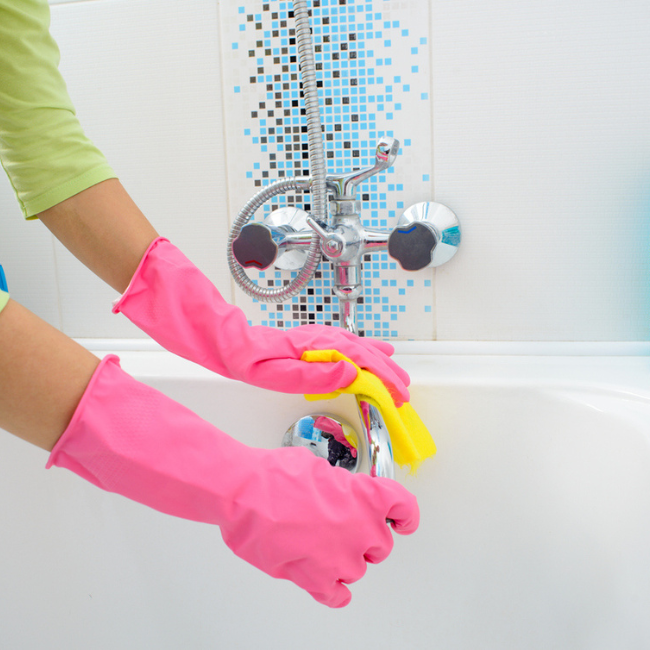
Bathrooms need more than a quick wipe-down. Clean sinks, toilets, tubs and showers thoroughly. Wash bath mats and replace worn shower liners. Restock towels and soap so the space feels fresh and ready for everyday use.

5. Floors and High-Touch Surfaces That Collect Grime

Finish by vacuuming and mopping floors throughout the home. Wipe door handles, remotes, phones and light switches. These surfaces collect germs all year, so cleaning them helps complete your reset.

Start the New Year With a Home That Feels Calm and Organized

When you clean before new year routines begin, you give yourself a true reset. Tackling closets, linens, kitchens and bathrooms now saves time later and reduces stress. If you want to start the year without the burden of deep cleaning, call The Clean Up Club today. Our team will help you reset your home and step into the new year feeling refreshed and confident.

FAQs


1. Why should I clean my house before the new year?

Cleaning before the new year helps reduce stress and creates a fresh environment. A clean home supports better routines, clearer thinking and an easier transition into new goals.

2. What areas should I clean first before the new year?

Closets, drawers, kitchens and bathrooms should come first because they affect daily life the most. Cleaning linens and high-touch surfaces also makes a noticeable difference quickly.

3. How far in advance should I clean before the new year?

Many homeowners start one to two weeks before the new year. Breaking the work into smaller tasks helps avoid last-minute pressure and burnout.

Cleaning Service Questions Homeowners Should Ask

Hiring a cleaning company should make your life easier, not more stressful. But before you hand over your house keys, it’s smart to ask a few key questions. Knowing what to expect helps you find a reliable, professional team that fits your needs and keeps your home spotless. Here are the top cleaning service questions every homeowner should ask.

Cleaning Service Questions Every Homeowner Should Ask

1. How Do You Vet Your Staff?

Trust matters when someone works inside your home. Ask how the company screens its cleaners. A professional cleaning business should background check all staff and provide proper training before sending them out on jobs. This helps ensure safety, consistency and peace of mind.

2. What Cleaning Supplies Do You Use?

Every cleaner has a different process, and some products work better than others. Ask if they bring their own supplies or use yours. If you have allergies or prefer green cleaning products, make that clear before scheduling. A good cleaning company will be happy to adjust based on your needs.

3. What Areas Are Included in Your Service?

Not all cleaning services cover the same tasks. Ask for a detailed list of what’s included, such as dusting, floors, bathrooms and kitchens. Clarify if baseboards, windows or appliances are part of the standard package or considered add-ons. This keeps surprises off your bill.

4. What Is Your Cancellation Policy?

Life happens, and sometimes plans change. Ask how much notice they need for cancellations or rescheduling. Clear policies protect both sides and make sure you’re not charged for last-minute changes.

5. Are You Licensed and Insured?

This is one of the most important cleaning service questions you can ask. A licensed and insured company protects both you and their team. If an accident happens, you won’t be left covering damage or injury costs. Always confirm coverage before work begins.

6. Do You Guarantee Your Work?

A company that stands behind its work shows pride and professionalism. Ask if they offer satisfaction guarantees or free touch-ups if something was missed. Reliable cleaners want you to be happy with the results.

7. How Do You Handle Special Requests?

Every home is different. Whether it’s cleaning pet areas, delicate furniture or extra rooms, make sure they can handle specific needs. The best cleaning services stay flexible and communicate clearly about extra services or pricing.

Asking the right cleaning service questions helps you hire with confidence. It ensures you understand what’s included, who’s in your home and how your property will be cared for. If you want a dependable team that values honesty, quality and customer care, call The Clean Up Club today to schedule your next cleaning.

FAQs


1. What should I ask before hiring a cleaning company?

Ask how they screen employees, what supplies they use, whether they’re insured, what services are included and how they handle cancellations. These questions help you understand the company’s professionalism and reliability.

2. How can I tell if a cleaning company is trustworthy?

Look for clear communication, verified reviews, insurance and background-checked staff. A trustworthy company will also offer upfront pricing and guarantees on their work.

3. Should I provide my own cleaning supplies?

That depends on your preference and the company’s policy. Some homeowners like to use their own eco-friendly products, while most cleaning companies bring their own professional-grade supplies. Ask before your first visit to avoid confusion.

Mold Prevention Cleaning Tips for Humid Climates

When you live near the coast, you know how stubborn humidity can be. It makes the air heavy, the walls damp and sometimes even brings mold into your home. The good news is that you can control it with the right cleaning habits. These mold prevention cleaning tips will help keep your home fresh, dry and safe all year long.

7 Mold Prevention Cleaning Tips That Work

1. Use Dehumidifiers in Damp Areas

High humidity creates the perfect home for mold. Run a dehumidifier in areas like bathrooms, basements and laundry rooms to keep moisture levels low. Empty the tank often and clean the filter to keep it working properly.

2. Clean Under Sinks and Around Pipes

Moisture loves to hide in small spaces. Wipe under sinks and around pipes at least once a month. If you notice water spots, dry the area and check for leaks. A quick fix now prevents a major mold problem later.

3. Choose Cleaners That Kill Mold

Not every cleaner kills mold. Look for products that contain hydrogen peroxide, vinegar or bleach. Hydrogen peroxide works well on most surfaces and kills both mold and bacteria. Vinegar is great for non-porous areas like counters and tile. Use bleach only on sealed surfaces and always rinse afterward.

4. Inspect for Leaks Regularly

Even a small leak can cause big damage over time. Check under sinks, behind appliances and around windows for signs of moisture. Fix leaks right away to stop mold before it starts.

5. Keep Air Moving

Still air traps moisture. Use fans in bathrooms and kitchens to move damp air outside. Open windows on dry days to let fresh air in. Good airflow keeps your home dry and less inviting to mold.

6. Wash Linens and Curtains Often

Fabrics trap moisture and dust, two things mold loves. Wash curtains, towels and bedding in hot water often. For decorative pillows or upholstery, vacuum them with an attachment to pull out hidden dust and moisture.

7. Don’t Forget Hidden Spots

Mold grows where you least expect it. Check behind furniture, under rugs and inside closets near exterior walls. Wipe these areas every few weeks with a mild cleaner to stop mold from spreading.

Mold grows fast in humid climates but smart cleaning habits keep it away. Dehumidifiers, proper ventilation and mold-killing cleaners protect your home and health. If you need help keeping your home spotless and safe from mold, call The Clean Up Club. Our team knows coastal South Carolina homes and how to keep them fresh, dry and clean.

FAQs


1. What’s the best cleaner to kill mold?

Hydrogen peroxide and vinegar both work well for cleaning mold. Hydrogen peroxide kills mold and bacteria on most surfaces. Vinegar removes mold from non-porous areas like tile and glass. Bleach also kills mold but only use it on sealed or hard surfaces and rinse afterward.

2. How do I stop mold from growing in my bathroom?

Run the fan every time you shower and leave it on for at least 15 minutes after. Wipe down wet surfaces and keep a dehumidifier or moisture absorber in the room. Wash shower curtains and bath mats regularly to keep mold from taking hold.

3. Why does mold keep coming back after cleaning?

If mold keeps returning, moisture is still present. Check for leaks, poor airflow or high humidity. Clean the area with a mold-killing product and dry it completely. Fixing the moisture problem is the only way to stop mold from coming back.

Post Construction Cleaning Tips for a Dust-Free Home

A new build or renovation feels exciting, but the mess left behind can feel overwhelming. Dust clings to every surface, stickers stick to new fixtures and debris lingers where it shouldn’t. With the right plan, you can get your home sparkling again. If you want a dust-free finish, these post construction cleaning tips will help you clear the mess and enjoy your space.

Start With the Dust

Dust is the biggest challenge after construction. Begin at the top and work your way down. Use a microfiber cloth or mop to trap dust on ceilings, fans and light fixtures. Wipe down walls and baseboards before moving to countertops and furniture. Always finish with floors, using a vacuum with a HEPA filter followed by a damp mop. Working top to bottom keeps dust from resettling on areas you already cleaned.

Remove Stickers and Adhesive the Right Way

New appliances and fixtures often come with protective stickers or stubborn glue. To get rid of them, use warm soapy water or a mix of water and vinegar. Apply it with a cloth and let it sit for a few minutes to loosen the adhesive. A plastic scraper or an old credit card works better than anything metal because it won’t scratch the surface. For tough spots, rubbing alcohol can lift the residue without leaving damage.

Polish and Shine Surfaces

Construction dust dulls everything from counters to faucets. After removing the dust, polish surfaces with a clean microfiber cloth. Stainless steel appliances look best with a gentle stainless cleaner or just a bit of vinegar and water. Wood cabinets and shelves benefit from a wood-safe polish that restores shine while protecting the surface. Don’t forget mirrors and glass, since fine dust often leaves streaks.

Pay Attention to the Details

Small details make a big difference. Vacuum inside drawers, wipe vent covers and clean light switches. Wash windowsills and frames where dust collects quickly. Replace or clean HVAC filters since construction fills them with debris. These finishing touches help your home feel fresh and move-in ready.

Post construction cleaning takes effort, but it’s worth it. Tackling dust, removing stickers and polishing surfaces creates a healthy, inviting home you’ll be proud to enjoy. If you’d rather skip the work and guarantee a thorough job, call The Clean Up Club today. Our team will handle the hard parts so you can relax in your clean, dust-free home.

FAQs


1. How do you get rid of construction dust in a house?

Start by opening windows to let fresh air move through the house. Work from the ceiling down, wiping light fixtures, walls and baseboards with a damp microfiber cloth. Vacuum carpets and hard floors with a HEPA filter vacuum, then follow with a mop to pick up leftover dust. Don’t forget to change your HVAC filter once the dust settles.

2. What is the easiest way to remove adhesive after construction?

The easiest way is to soften the glue first. Mix warm water with a little dish soap or vinegar and apply it to the spot with a cloth. Let it sit for a few minutes to loosen the adhesive. Then scrape gently with a plastic scraper or an old credit card. For really sticky spots, rubbing alcohol works well without harming most surfaces.

3. How long does post construction cleaning take?

The time depends on the size of the space and how much work was done. A small room might take a few hours, while a full home could take a full day or more. Since dust spreads everywhere, it takes time to get a true dust-free finish. Hiring a professional cleaning team can save you time and make sure nothing gets missed.


How to Sanitize Electronics Without Damage

Electronics collect germs and grime faster than almost anything else in your home. Phones, remotes and keyboards get touched all day, so they need regular care to stay safe and clean. If you want to sanitize electronics without damage, you need to know the right methods and supplies.

Best Ways to Sanitize Electronics

When you clean electronics, you want them germ-free but also working properly. Here are safe methods you can trust:

Use Alcohol Pads the Right Way

Alcohol pads kill germs fast and dry quickly, which makes them perfect for devices. Gently wipe down phone screens, remote buttons or keyboard keys. Avoid dripping liquid into openings. Always use light pressure so you don’t harm the surface.

Microfiber Cloths Work Wonders

Microfiber cloths grab dust, oils and fingerprints without scratching. They’re great for daily wipe-downs and pair well with alcohol pads. Wash the cloths often so you don’t spread dirt from one item to another.

Be Careful Around Openings

Ports and speakers are easy to damage if liquid gets inside. Use a dry cotton swab to clean around edges, and always keep alcohol pads slightly damp, never soaking wet.

Don’t Forget the Accessories

Chargers, cases and styluses also collect germs. Wipe them with a microfiber cloth or an alcohol pad so you’re not reintroducing dirt to clean devices.

Why It Matters to Sanitize Electronics

Electronics touch your face, hands and shared spaces every day. By keeping them clean, you reduce the risk of spreading germs and extend the life of your devices. A few minutes of proper care protects your health and your investment.

Learning how to sanitize electronics without damage keeps your family safe and your devices working longer. Using alcohol pads, microfiber cloths and careful methods makes the process quick and effective. If you’d rather have a professional team take the worry off your plate, The Clean Up Club is ready to help. Call us today to schedule a cleaning service you can count on.

FAQs


1. Can you use alcohol wipes to clean electronics?

Yes, you can use alcohol wipes to clean electronics if you use them correctly. Choose wipes that contain at least 70 percent isopropyl alcohol. Gently wipe the surface of your phone, remote or keyboard and avoid pressing too hard. Make sure the wipe is damp, not dripping, so liquid doesn’t get inside the device. Let the surface air dry completely before using the item again.

2. How often should you sanitize electronics?

It depends on how often you use the device and who touches it. Phones and remotes usually need cleaning every day since they get handled the most. Keyboards can be sanitized once or twice a week unless multiple people use them, in which case more frequent cleaning is better. Regular sanitizing helps keep germs from spreading and keeps your devices looking fresh.

3. What should you not use to sanitize electronics?

You should not use products that contain bleach, window cleaner or abrasive scrubbing pads on electronics. These can damage the screen, wear down coatings and even harm the device’s inner parts if liquid seeps in. Stick with alcohol wipes, microfiber cloths and safe cleaning tools to protect both the look and the function of your electronics.