What Should You Clean Before Moving Out or Moving Into a New Home?
September 15, 2026
What Should Cold and Flu Season Cleaning Actually Include?
October 21, 2026
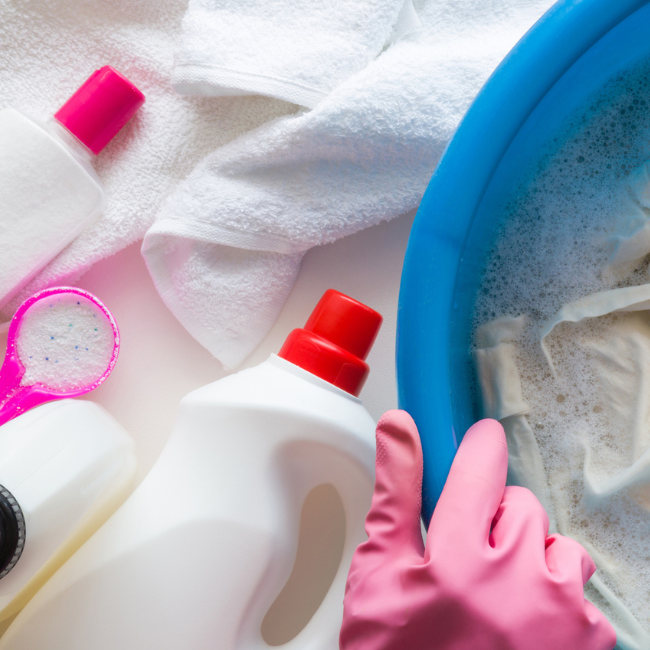
Cleaning and disinfecting are not the same thing, even though people often use the words as if they mean the same thing. Cleaning removes dirt, grime and many germs from surfaces. Disinfecting uses chemicals to kill germs that remain after cleaning. Understanding cleaning vs disinfecting helps you choose the right approach without using stronger products when you do not need them.
Cleaning vs Disinfecting: What’s the Difference?
Cleaning physically removes dirt, food residue, dust and many germs from a surface. Soap or detergent, water and some scrubbing often handle everyday household cleaning well.
Disinfecting takes the process one step further. A disinfectant kills germs that remain on a surface after you clean it. That extra step matters in certain situations, but most homes do not need every surface disinfected every day.
The easiest way to remember the difference is simple: Cleaning removes. Disinfecting kills.
When Is Regular Cleaning Enough?
For most everyday household situations, regular cleaning does the job. Floors, counters, sinks, bathrooms and other common areas need consistent cleaning to remove the dirt and buildup that collect through normal use.
High-touch areas such as doorknobs, light switches and appliance handles also benefit from regular cleaning. If everyone in the household feels healthy, you usually do not need to follow every cleaning session with disinfectant.
This is also why a consistent professional cleaning schedule can make such a difference. Keeping dirt and grime under control gives your home a cleaner baseline and makes everyday upkeep easier.
When Should You Disinfect Your Home?
Disinfecting becomes more useful when someone in the home is sick or when a household member has a higher risk of serious illness. During cold and flu season, that could mean paying extra attention to frequently touched surfaces used by the person who is sick.
Bathroom faucets, toilet handles, counters, doorknobs, light switches and other high-use surfaces might need disinfecting in addition to regular cleaning. Focus on the areas that people actually touch rather than trying to disinfect every wall, floor and piece of furniture.
Why Should You Clean Before You Disinfect?
This is one of the most important parts of cleaning vs disinfecting. Dirt, grease and other residue can get between the disinfectant and the surface you want it to treat.
Clean the surface first to remove that buildup. Then apply the disinfectant according to the label. Many disinfectants also need to stay wet on the surface for a specific amount of time. Wiping the product away right after spraying it can keep it from working the way the manufacturer intended.
More product does not mean better results either. Follow the label, use the correct amount and never mix cleaning chemicals unless the instructions specifically say it is safe.
Choose the Right Level of Cleaning for Your Home
A healthy cleaning routine does not mean using the strongest product on every surface. It means knowing when ordinary cleaning is enough and when disinfecting adds another level of protection. Once you understand cleaning vs disinfecting, it becomes much easier to clean with purpose instead of simply using more chemicals.
If keeping up with kitchens, bathrooms, floors and everyday buildup feels like one more job on a packed schedule, call The Clean Up Club. Our professional cleaning services can help give your home the clean foundation it needs so you can focus extra attention where it matters most.
FAQs
1. What is the difference between cleaning and disinfecting?
Cleaning removes dirt, grime and many germs from a surface. Disinfecting uses a chemical product to kill germs that remain after the surface has been cleaned.
2. Do I need to disinfect my house every day?
Most homes do not need daily whole-house disinfecting. Regular cleaning is usually enough unless someone is sick or someone in the household has a higher risk of serious illness.
3. Should I clean before using disinfectant?
Yes. Clean dirt and residue from the surface first, then use the disinfectant according to the label. This helps the disinfectant make better contact with the surface and work as intended.