Cleaning Tip: Pair Up Your Cleaning Tasks

Pair Up your Cleaning Tasks | Myrtle Beach Cleaning

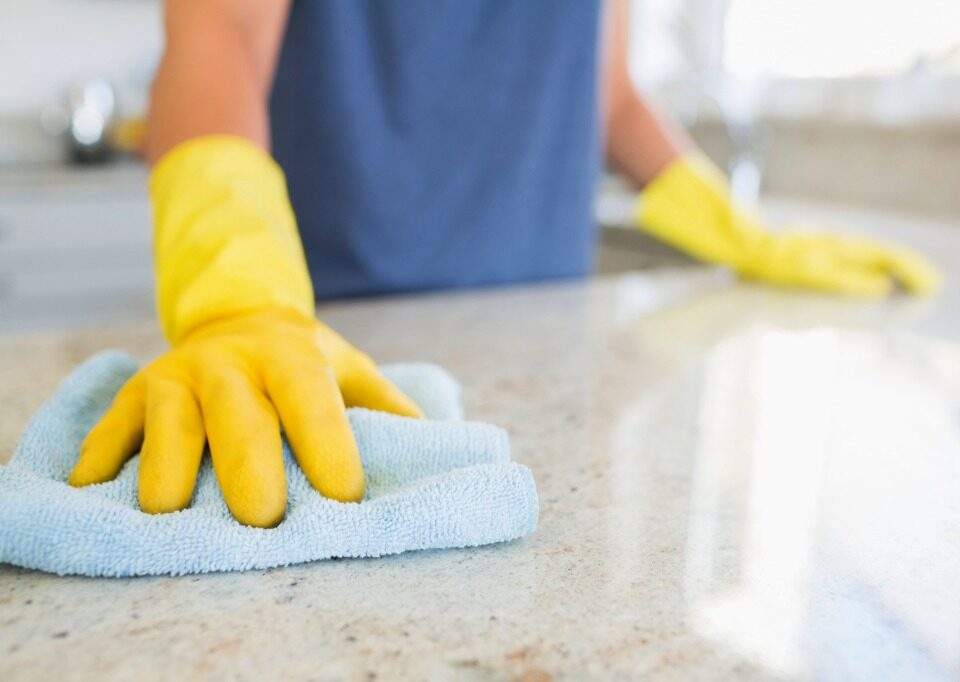
Some things just go well together like peanut butter and jelly or cookies and milk. Did you know there are cleaning tasks that go better together too? Pairing up certain cleaning tasks can save you time and energy as well as avoid the need for rework a short time later. Let’s see what cleaning pairs are just meant to go together.

Cleaning out the fridge + Taking out the trash – Doing these tasks together keeps your fridge cleared of expired food before it turns into a science experiment and gets it out of the house before it can turn into smelly trash. Few things smell worse than rotting food. Keep that smell out of your fridge and home by pairing up these two cleaning tasks.

Clean your toothbrush holder and soap dish + Running the dishwasher – Your toothbrush holder can build up serious germs and so can your soap dish. When you run your dishwasher, grab your soap dish and toothbrush holder and pop them on the top shelf for a good deep clean along with your dishes. If your soap dish and toothbrush holder are made from a material other than ceramic or metal, check to make sure they’re dishwasher safe first.

Dusting + Vacuuming/Sweeping – Dusting and vacuuming have long been associated with each other but many people argue about which order to do them in. When cleaning, work from the ceiling to the floor, leaving floors for last. This means you dust first then sweep or vacuum, avoiding the need to redo work. If you do your floors first, when you dust, you’ll just redeposit dirt and debris back onto the just-cleaned floors. Yuck!

Clean shower curtain liner + Wash old towels and rags – When you are ready to run a load of your old towels and cleaning rags, toss your shower curtain liner in with the load. The towels will help scrub the shower curtain liner and you can just hang it up after the wash – clean and mildew-free.

Vacuum bed + Washing bedding/linens – After you toss your bedding and linens in the wash, sprinkle some baking soda around on the bed and let sit. When you switch the linens from the washer to the dryer, use the vacuum attachment to vacuum up the baking soda. You’ll have a freshly deodorized mattress to put your clean bedding on.

Pairing up your cleaning tasks just makes sense– especially when pairing up tasks saves you time and energy. We hope these pair-up tips help your cleaning list go faster and easier.  And, if cleaning at all has you a little too stressed, give us a call at the Clean Up Club!  We are here to help!

Cleaning with Essential Oils While Keeping Kids and Pets Safe

Essential Oils for Cleaning

Cleaning with essential oils not only makes your home smell good but also can help kill germs. However, some essential oils can be harmful to children or pets. You can clean with essential oils safely when you choose oils that are safe around pets and kids and use as small of an amount of essential oil as possible. Let’s take a closer look.

What are Essential Oils

Maybe you’ve heard about them but aren’t really sure what they are. Essential oils are the super concentrated oils extracted from plants. Many plants produce essential oils with anti-microbial properties that help kill bacteria and fungi in your home. When mixed with a DIY cleaning solution like vinegar and water, it can really super charge your cleaning and get rid of that vinegar smell.
Note: Do not add essential oils to commercial cleaners you buy in the store, many of the chemicals used in those formulations can interact with essential oils and turn a safe cleaner into a toxic one.

Essential Oils to Avoid Around Kids & Pets

When choosing essential oils to clean with, it’s important to note that too much of a good thing is still too much. Use the most minimal amount of any essential oil needed. Because many families have both pets and children, we’re listing oils to avoid for both types of family members. Common essential oils to avoid using around children, but mainly pets, include (this list is not exhaustive):

  • Pine
  • Tea Tree
  • Lemon
  • Orange
  • Clove
  • Peppermint (This can cause serious respiratory distress)
  • Thyme
  • Wintergreen
  • Eucalyptus (Appears on some lists as potentially harmful)

Common Sense Safety Notice: As with any substance you use around pets and children, if you have concerns, talk to your veterinarian or pediatrician. If accidentally ingested, call the Poison Control Center at 800.222.1222 for instructions and have the bottle of essential oil handy when you call to provide any information needed.

Essential Oils for Cleaning

An easy DIY cleaner you can add essential oils to is a solution of white distilled vinegar and water in a 1:1 ratio. For every 2 cups of solution, use 5-10 drops total of essential oil–using as little as needed. Again, essential oils are super concentrated so using too much of any oil, even one safe for kids and pets, can cause a serious reaction for them and for you. For many essential oils, the safety or the danger is in the dose. Here is a list of helpful essential oils for cleaning that are generally safe in minimal doses:

  • Clary Sage – Smells woodsy and has antibacterial and antifungal properties.
  • Geranium – In germ killing tests, geranium essential oil killed 12 out of 12 types of fungi and 22 out of 22 strains of bacteria.
  • Lavender – Effective against disease-causing micro-organisms and also environmental fungi and bacteria. Lavender is easy to overdo so be careful with this one.
  • Lemongrass – Gives a lemon-y smell without using lemon essential oil (citrus essential oils are harmful to pets). In efficacy testing, Lemongrass oil killed 22 of 22 types of bacteria and 12 of 12 types of fungi.
  • Arborvitae – This oil is extracted from the evergreen tree and is particularly useful for cleaning wood furniture and floors. It also repels insects and is proven to kill both E. Coli and Salmonella.

This list is not exhaustive as there are literally more than 100 different types of essential oils out there, however, it covers some popular ones that are generally regarded as safe to use for cleaning in homes with children and pets. Essential oils can amp up the effectiveness of your time spent cleaning and make your home smell wonderful.

Are Your Cleaning Products Damaging Your Health?

Are Cleaning Products Damaging Your Health?

A recent research study has shown that household cleaning products, particularly spray cleaners, can damage lung tissue as much as smoking a pack of cigarettes per day for twenty years. These findings demonstrate that the chemicals you use to clean your home matter more than many people realize. Most people know basic cleaning hazards to avoid such as not mixing ammonia and bleach (it releases toxic, deadly fumes), however this recent study shocked homeowners and the cleaning industry. Let’s dive into the study and what the results mean for you and your health.

The Household Cleaners and Lung Damage Study

The study published in the American Thoracic Society’s American Journal of Respiratory and Critical Care Medicine followed 6,235 people beginning with an average age around 34 for 20 years. The study measured lung function over time and included both men and women, some of whom were also cleaning professionals. The study had a few significant findings. First, that exposure to household cleaning chemicals, especially spray cleaners, significantly damaged lung tissue and lung function over time. Second, the biggest decline in lung function was found in women, who typically do a larger share of house cleaning tasks.

Previous studies have already established a link between household cleaners and higher asthma rates. However, this newly reported study is the first to measure long-term exposure and make the connection between household cleaners and a diagnosis of COPD (Chronic Obstructive Pulmonary Disease). COPD is also the lung disease most commonly associated with cigarette smoking.

What Does it Mean for Your Health?

The findings of this study are important to your overall health. Experts recommend using eco-friendly, non-toxic cleaners (vinegar and water is a great natural cleaner) and avoiding the use of harsh chemical cleaners in your home. As spray cleaners result in airborne droplets of chemical cleaners that are easily breathed in and absorbed by the lungs, it’s best to avoid spray cleaners. If you do need to use spray cleaners or harsh chemicals, wear a protective face mask over your nose and mouth during use and make sure the space is well-ventilated.

Of course, The Clean Up Club is always available to take care of your cleaning chores for you. We have a range of cleaning options and services to fit your needs and protect your health.

Cleaning Tips to Rid Your Rental Property of Smoking and Cigarette Smells

Rid Your Rental Property of Smoking and Cigarette Smells

Removing smoking and cigarette smells from a home is one of the most difficult cleaning tasks there is. Cleaning the entire home is the key. In some cases, it might be necessary to take steps beyond cleaning to get your home or rental smelling fresh and new.

1. Curtains and Blinds – Take down curtains and blinds for cleaning. For curtains, make sure they are washable and if so, wash them in hot water with laundry soap and a cup of vinegar per full load. A quick word of caution: vinegar can have a bleaching effect when poured directly on fabrics. It’s best to add the soap and vinegar to the basin and let it fill with water before adding the curtains to avoid causing color fading. If curtains are dry-clean only, consider replacing them with washable curtains. The chemicals used in dry-cleaning can contribute to poor indoor air quality in your home. For blinds, soak them in the bathtub in hot soapy water for 15 minutes, scrub with a fine brush and hang to dry. Allow blinds to dry completely before putting them back on the windows.

2. Wood, Tile and Linoleum Flooring – Clean with a mixture of vinegar and warm water, or a cleaning solution intended for that specific surface (particularly when dealing with wood floors). Change the water frequently and use a gentle brush to scrub in corners and along walls. Clean baseboards, door frames and doors while you’re cleaning floors as they often can be cleaned with the same cleaner as the floors. It might take a few full rounds of cleaning the floors to eliminate the smell completely.

3. Carpet Flooring – Carpet flooring is a bit tougher, depending on the age of the carpeting and the length of time it was exposed to cigarette smoke. You can try a strong carpet and rug cleaner if you prefer to DIY but it’s possible a professional carpet cleaning will be required. In very difficult cases, it might be necessary to replace the carpeting and underlying padding to permanently get rid of the odor.

4. Walls and Ceilings – Many resources advise washing down walls and ceilings with ammonia and glycol to remove cigarette and smoking odors. However, these are very harsh chemicals and when not used in a properly ventilated area, can cause damage to lung and nasal tissues. A safe alternative is to use a vinegar and baking soda solution made of one cup of vinegar, a half cup of baking soda and two cups of warm water. Clean in small sections and finish each section by wiping clean with a separate fresh damp sponge. It will likely take 2-3 passes of the entire room to remove the odor. In difficult cases, it might be necessary to repaint the walls and ceilings. If this is the case, talk to the paint store about a primer and sealant that can seal the odors first before you paint. This will help prevent the smells from leaching through your new coat of paint.

5. Air – Your indoor air can also have lingering amounts of “third-hand smoke” that can cause breathing difficulties for you and your family. While you can’t exactly scrub your air, an indoor air purifier is a great investment to remove cigarette and smoke odors. Most models also help remove allergens, dust, bacteria and viruses too.

Eliminating the odors of cigarettes and smoking from your home or rental property can take a lot of effort and time. If you need help, the Clean Up Club is available to help you clean up any stinky situation.

8 Quick Cleaning Tips for Homes with Pets

Cleaning tips for homes with pets

We all love our pets–we just don’t love their mess! It’s not just the normal shedding and dander but also dirt and mud tracked from outside, food-related messes and litter scattered around. We’ve got the top tips to help you keep your home with pets clean and fresh.

1. Keep up with a regular mani/pedi routine – Both cats and dogs should have regular and frequent feet cleaning and nail trim sessions. First, keeping their feet clean prevents the spreading of dirt and debris through the house. Second, keeping their nails trimmed helps prevent damage their nails could cause to flooring and furniture. Nails can create scratches or gouges that end up being a catch spot for dirt and dust to collect.

2. Add a lint roller to your cleaning supplies – Lint rollers aren’t just for your clothes! You can use them to de-fuzz curtains, lampshades, furniture and throw pillows.

3. Keep a spare pair of dry rubber gloves handy – For surfaces too fuzzed-up for a lint roller to handle, slip on a pair of dry rubber gloves. Slide your hand along the surface and the fur will clump up into a ball you can easily remove and toss in the trash.

4. Invest in a robot vacuum – There are a number of robot vacuums on the market to choose from (Roomba was one of the first). Invest in one you can set to run on a regular schedule and set it up to run daily! Just make sure to keep up on maintenance of your robot vacuum so it keeps doing the floor work for you instead of spreading more work all over the floor.

5. Blankets are great for your pet’s comfort and your cleaning list – Chances are that your furry family member has certain places they like to nap (and have a build-up of fur). Place a blanket or even a folded up sheet in your pet’s favorite nap spots. They’ll enjoy the comfort and you’ll enjoy just tossing it in the wash for easier clean up.

6. Set up the kibble area for easier cleaning – Whether you have a dog or cat, the spot where their food and water dishes live can become a major mess. Use a rimmed tray under the food and water dishes to catch the bits and drips where they dribble their kibble for a cleaner food and water station.

7. Keep a set of paw cleaning supplies by the door – During times of crummy weather, dogs are more likely to track in mud and muck on their feet. Keep a set of paw cleaning supplies by the door, such as paw wipes, towels, paper towels and of course, treats for your pup so they fuss less over paw cleaning when coming in from outside.

8. Place doormats inside and outside of your door – Even though your pup can’t exactly wipe his feet, the extra mat space gained from having door mats both inside and outside helps capture more dirt and debris from his feet so less gets spread through your house.

Keeping your home clean and fresh when you live with pets doesn’t have to be an endless chore! Our 8 tips help you keep your home cleaner easier so you can spend more time snuggling with your furry family member than cleaning up after them.

Kick the Ick! Tips To Banish The Flu And Other Germs From Your Home

Banish the flu and other germs

It’s that time of year again… flu season! You don’t have to watch your family succumb to the sickness one-by-one. You can kick the ick with these disinfecting tips to prevent the flu or other germ from spreading misery throughout your home.

Identifying Germ Hot Spots

The first key to stopping germs from spreading is to identify where all the germ hot spots are in your home. These germ hot spots are often called points of contact. They are places or items we touch frequently in the home and the place where germs from our hands are most likely to transfer from person to person. To start finding points of contact in your home, think about the things you and your family touch the most. Don’t worry! We’ll share our list of top germy points of contact so you don’t have to rely on guesswork.

Once you have your list of germy points of contact for every room in your home, you’ll want to set up a regular and frequent round of disinfecting for each grimy spot. During the worst of flu season, you’ll want to disinfect your points of contact at least once a week and several times a week if anyone in your household comes down with the ick. It’s also important to get everyone in your home on board with frequent (and proper) handwashing. Studies show simply washing our hands more often, even while we’re just hanging around at home makes a huge difference in preventing the spread of viruses and bacteria between family members.

The Point of Contact Disinfection Checklist

Our list of points of contact that you want to make sure get disinfected is a good starting place. Keep an eye out for places you notice your family touches that are unique to your household that should be added to your personal list.

1. Light switches and light switch plates
2. Door handles, knobs, levers and locks (even those you don’t use often)
3. Toilet handles/toilet flushers
4. Faucet handles (bathroom and kitchen)
5. Hand railings (outside, inside, staircases and bathrooms)
6. Cabinet door handles and drawer pulls (think beyond the kitchen and bathroom – include the laundry room, closet organizers and bedroom furniture)
7. Soap pumps/dispensers
8. Phones (whether they’re smart or the old-fashioned kind, we touch them all the time and put them right up to our mouths to talk – YUCK!)
9. Remote controls
10. Keyboards, mice, computer touchscreens, tablets and other frequently handled devices
11. Control panels on alarms, smart appliances, smart home hubs and other “smart” system controls frequently touched
12. House keys, car keys and keychains (while not in your home, these items are touched just as often so give them a wipe-down, too!)

How many points of contact did you already think of before reading the list? Did any surprise you? Now you can confidently banish the flu and other germs to kick the ick out of your home with this handy list and tips for disinfecting your home during flu season.

Top 6 Household Cleaning Mistakes You Might Be Making

household cleaning mistakes | Pawleys Island Cleaning Companies

Did you know there are cleaning mistakes you might be making that could be making your home dirtier instead of cleaner? Here we break down the top 6 cleaning mistakes you might be making in your home.

1. Dusting with a feather duster – Feather dusters do little more than redistribute dust or push it off surfaces to the ground. Making the switch to microfiber cleaning cloths with an appropriate cleaner help trap and remove dust.

2. Cleaning out of order – The subject of many household arguments, there actually is a proper way to approach the order in which you clean various surfaces in your home. For example, if you clean the floor first and dust and clean other surfaces after, you’ll knock dust and debris down onto the floor you just cleaned. The general rule is to start with the highest surfaces and work your way down and save the floors for last.

3. Washing cutting boards in the dishwasher or with dish soap – As you use your cutting board, cuts in the surface collect minute bits of food that allow bacteria to hide in the grooves and grow. This bacteria can infect your food the next time you use it, a big risk for food-bourne illness. Instead use a soaking solution of 2 tablespoons of bleach OR hydrogen peroxide to 1 gallon of water to soak your cutting boards. Rinse well with fresh water after soaking and dry immediately.

4. Forgetting to clean the sink – The moist environment and bits of food in your sink drain create ideal conditions for rapid bacterial growth. Never let food sit in the disposal or allow the sink to accumulate standing water. Clean down the sink after each use and run the disposal. At least once per week, use baking soda and vinegar to clean and disinfect your sinks (and the drains).

5. Neglecting vacuum maintenance – Neglecting to keep your vacuum maintained properly can create a dirty problem. Empty vacuum canisters or replace vacuum bags as soon as they approach the manufacturers noted “full line”. Also, when vacuum is unplugged, use a damp microfiber cloth to clean down the exterior of the vacuum, including vents and attachments. If your vacuum comes equipped with replaceable air filters, make sure to change the filter according to manufacturer directions. Neglecting vacuum maintenance means your vacuum won’t work as efficiently as it should and leave dirt behind, or worse, could blow dirt back out of the vents due to overly-full vacuum bags or dirty filters.

6. Using the same cleaning cloth in multiple rooms – Even if you’re spraying cleaner onto the cloth, there is only so much dust and grime the cloth fibers can remove before some of that grime gets redistributed to other surfaces. This is also a great way to spread germs from one surface to another, instead of killing them. Use paper towel for particularly germy areas and surfaces and throw away the germs. In the rest of the house, use a different cleaning cloth for each type of surface in the room with a different cleaner (for example, glass and wood would have separate cloths). Also, use fresh cloths in each room or change them when you notice grime beginning to collect.

Cleaning your home should leave it sparkling and gleaming – not dirtier and grimier! How many of these top 6 cleaning mistakes have you made before? A few simple swaps and you’ll be cleaning as effectively as possible. And if you need a few extra hands, The Clean Up Club can tackle any cleaning task!

What’s That Smell? Stinky Culprits in the Home

what's that smell

Unpleasant smells in the home can be more than just an odor. Sometimes, those smells can be a sign of a serious problem. Here are some forms of stink that you want to make sure to find the source of to rule out a major issue.

1. Fishy or Urine Smell – A fishy smell or even a urine-like smell could be a sign of electrical wiring issues. The plastic coating and components that are part of your home’s wiring system can emit a fishy or urine smell when subjected to high heat, such as an electrical short. If you haven’t been frying up your latest catch and smell something fishy, it’s a good idea to check in with an electrician.


2. Rotten Egg Smell – Many people know that natural gas companies add sulfur to make it easier for people to smell a potential gas leak and get to safety. While you should always leave the home and call for help if you smell rotten eggs, you might be surprised to learn that sewer gas has a very similar smell. If you get the all clear on your gas lines, it could be sewer gas leaking up from your sinks or tubs into the home. Try running some water in all the drains and see if the smell fades. If so, you could have a faulty seal in your plumbing that is letting the sewer gas leak up into your home. A plumber is your odor eliminator in this case.


3. Musty Smell or Old Stale House Smell – This odor is a big cause for concern because the most common reason for this smell is hidden mold. Mold can make you and everyone in your family (even your pets) very sick. Mold growth can be due to leaky plumbing, faulty ventilation from your HVAC system, poor ventilation in bathrooms and gutter leaks. There are a number of companies and environmental engineers that specialize in detecting whether you have a mold problem and pinpointing the source of the moisture fueling the mold growth.


4. Rotten Food Smell – For this stink, you’ll want to hold your nose while you check the food trap in your dishwasher first to remove any old food particles. Did you know that your dishwasher needs a deep cleaning of its own from time to time to keep it working properly? Running it empty with baking soda and vinegar will have it smelling fresh and clean again. And make sure to clean the seal around the door with a vinegar and water mixture to take care of any mold or mildew growth in the folds of the seal.

Some smells are harmless and easily remedied. Other smells in your home could indicate a serious issue or even a health hazard for you and your family. It’s important to find the source of any unusual smells just in case you need more specialized help beyond a good clean-up!

After Floods: Tips To Prevent Mold Growth

Prevent mold Growth After Flooding | Cleaning Surfside

One of the most dangerous problems you can face after a flood is mold growth in your home. Mold growth destroys structures and can make you and your family very sick. What’s worse is mold begins growing quickly – often within 24 hours after a flood. The key to avoiding a serious mold issue is to act fast to clean and sanitize items that can be saved and to immediately remove and discard materials and items that cannot be saved. For example, wooden and upholstered furniture is rarely salvageable following a flood and should be discarded as quickly as possible. Carpeting is another item or material that often cannot be dried out or saved. Even if dried thoroughly, carpeting can still harbor mold spores and should be discarded. Here are some tips for cleaning and sanitizing the non-porous items you can save in your home after a flood:

1. First, a word of caution – it’s important to put your safety first before beginning any post-flooding clean-up. Wear gloves, masks and eye protection when cleaning up after a flood. This protects you from bacteria that might have been in the flood water and from coming in contact with cleaning solutions that can cause irritation to the skin or when fumes are breathed in.

2. Open windows for ventilation and begin cleaning efforts as quickly as possible after a flood. Also use fans, heat and dehumidifiers to help remove humidity and moisture from your home while you are cleaning and for several days after until the entire area and all salvaged items are dry.

3. The first step in cleaning after a flood is to use a detergent or soap that does NOT contain ammonia to thoroughly clean all areas and items that had contact with flood water.

4. To rinse and disinfect, use a solution of 1 and 1/2 cups bleach to one gallon of water. Thoroughly rinse away all detergent and use the solution to sanitize any item or space that had any contact with flood water. Note: This step is why it is important to use a non-ammonia cleaner in the previous step. Never mix ammonia and bleach cleaners as they have a chemical reaction that releases toxic fumes.

5. Cleaned areas can take several days to dry using fans, heat and dehumidifiers. Be sure to inspect any odors you detect during this time to look for hidden areas of mold growth.

6. Remove and discard any materials that are porous or cannot be properly cleaned, including drywall, flooring, carpeting, furnishings and non-supporting (non-stud) wood pieces or beams. For supporting wooden wall studs. Disinfect as above and let dry completely and inspect for mold growth before replacing drywall or other structural materials.

It is possible to clean up and avoid mold growth after a flood as long as clean-up begins immediately and materials that cannot be properly cleaned and disinfected are removed and disposed of as fast as possible. Speed and thoroughness are the keys to cleaning up your home after a flood and avoiding dangerous mold.

National Clean Up Day & Serving Our Local Community

National Clean Up day | Local Clean Up Myrtle Beach

Every year, the third Saturday of September is designated as National Clean Up Day. This year, National Clean Up Day fell on September 15th, as the Grand Strand and NC/SC coastal regions prepared for hurricane Florence.  The national day was founded, though, to raise awareness about the importance of everyone uniting to keep our communities and outdoor open spaces clean and litter-free.

We often talk about the importance of keeping the inside of your home clean. It’s also important for everyone to do their part to keep our outdoor spaces and communities clean as well. If everyone simply picked up one piece of trash or litter every day, how much of a difference would that united effort make? To take part in keeping our outdoor life as clean as our indoor life, keep an eye out for trash or litter you can pick up whenever you visit any shared outdoor space such as parks, trails, beaches, roadsides and boardwalks. Working together, we can all help keep litter where it belongs – in the recycling or trash bins. You don’t have to wait for National Clean Up Day to get started though!

Participating in National Clean Up Day – And All Year Long

When you participate in National Clean Up Day, you are showing your community, friends and neighbors that you are committed to living in a clean and beautiful environment without unpleasant and unsightly litter. A number of corporations, civic organizations, parks and recreation departments, private citizens and community organizations join forces on National Clean Up Day and other days throughout the year to freshen up and give our local landscapes and beaches a clean sweep. Find out more or find a group to join up with in your area by visiting https://www.nationalcleanupday.org/

Encourage your friends in your community, in the United States, and around the globe to join you and participate in national Clean Up Day each year, as well as a planned “local clean up day,” and use special hashtags on social media to promote it. Uniting together, we can keep our local outdoor spaces, national outdoor spaces and outdoor spaces around the world cleaner and healthier.