Kick the Ick! Tips To Banish The Flu And Other Germs From Your Home

Banish the flu and other germs

It’s that time of year again… flu season! You don’t have to watch your family succumb to the sickness one-by-one. You can kick the ick with these disinfecting tips to prevent the flu or other germ from spreading misery throughout your home.

Identifying Germ Hot Spots

The first key to stopping germs from spreading is to identify where all the germ hot spots are in your home. These germ hot spots are often called points of contact. They are places or items we touch frequently in the home and the place where germs from our hands are most likely to transfer from person to person. To start finding points of contact in your home, think about the things you and your family touch the most. Don’t worry! We’ll share our list of top germy points of contact so you don’t have to rely on guesswork.

Once you have your list of germy points of contact for every room in your home, you’ll want to set up a regular and frequent round of disinfecting for each grimy spot. During the worst of flu season, you’ll want to disinfect your points of contact at least once a week and several times a week if anyone in your household comes down with the ick. It’s also important to get everyone in your home on board with frequent (and proper) handwashing. Studies show simply washing our hands more often, even while we’re just hanging around at home makes a huge difference in preventing the spread of viruses and bacteria between family members.

The Point of Contact Disinfection Checklist

Our list of points of contact that you want to make sure get disinfected is a good starting place. Keep an eye out for places you notice your family touches that are unique to your household that should be added to your personal list.

1. Light switches and light switch plates
2. Door handles, knobs, levers and locks (even those you don’t use often)
3. Toilet handles/toilet flushers
4. Faucet handles (bathroom and kitchen)
5. Hand railings (outside, inside, staircases and bathrooms)
6. Cabinet door handles and drawer pulls (think beyond the kitchen and bathroom – include the laundry room, closet organizers and bedroom furniture)
7. Soap pumps/dispensers
8. Phones (whether they’re smart or the old-fashioned kind, we touch them all the time and put them right up to our mouths to talk – YUCK!)
9. Remote controls
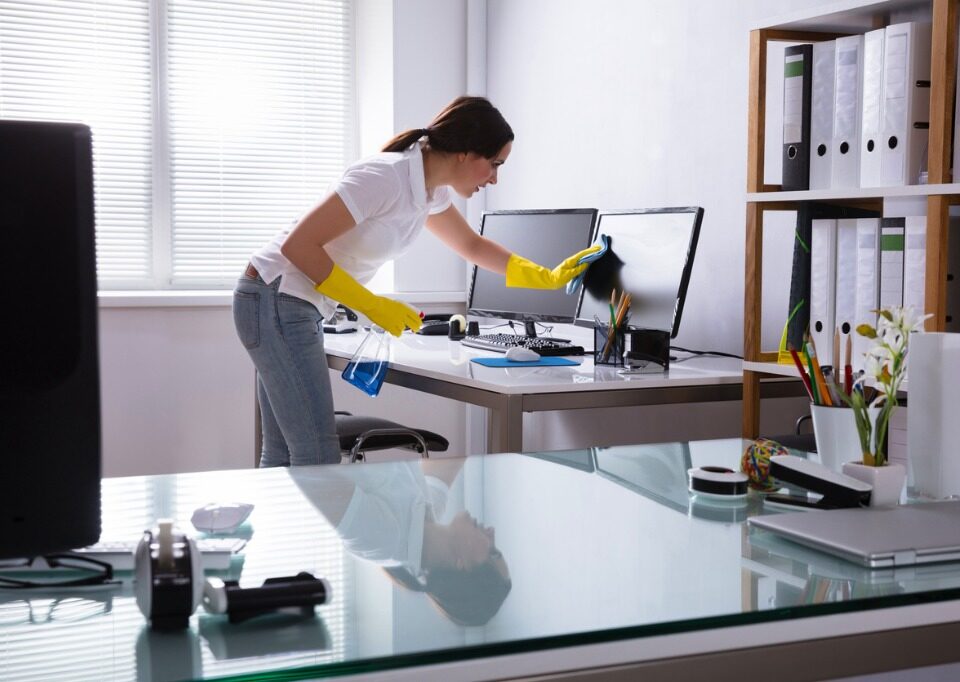
10. Keyboards, mice, computer touchscreens, tablets and other frequently handled devices
11. Control panels on alarms, smart appliances, smart home hubs and other “smart” system controls frequently touched
12. House keys, car keys and keychains (while not in your home, these items are touched just as often so give them a wipe-down, too!)

How many points of contact did you already think of before reading the list? Did any surprise you? Now you can confidently banish the flu and other germs to kick the ick out of your home with this handy list and tips for disinfecting your home during flu season.

Top 6 Household Cleaning Mistakes You Might Be Making

household cleaning mistakes | Pawleys Island Cleaning Companies

Did you know there are cleaning mistakes you might be making that could be making your home dirtier instead of cleaner? Here we break down the top 6 cleaning mistakes you might be making in your home.

1. Dusting with a feather duster – Feather dusters do little more than redistribute dust or push it off surfaces to the ground. Making the switch to microfiber cleaning cloths with an appropriate cleaner help trap and remove dust.

2. Cleaning out of order – The subject of many household arguments, there actually is a proper way to approach the order in which you clean various surfaces in your home. For example, if you clean the floor first and dust and clean other surfaces after, you’ll knock dust and debris down onto the floor you just cleaned. The general rule is to start with the highest surfaces and work your way down and save the floors for last.

3. Washing cutting boards in the dishwasher or with dish soap – As you use your cutting board, cuts in the surface collect minute bits of food that allow bacteria to hide in the grooves and grow. This bacteria can infect your food the next time you use it, a big risk for food-bourne illness. Instead use a soaking solution of 2 tablespoons of bleach OR hydrogen peroxide to 1 gallon of water to soak your cutting boards. Rinse well with fresh water after soaking and dry immediately.

4. Forgetting to clean the sink – The moist environment and bits of food in your sink drain create ideal conditions for rapid bacterial growth. Never let food sit in the disposal or allow the sink to accumulate standing water. Clean down the sink after each use and run the disposal. At least once per week, use baking soda and vinegar to clean and disinfect your sinks (and the drains).

5. Neglecting vacuum maintenance – Neglecting to keep your vacuum maintained properly can create a dirty problem. Empty vacuum canisters or replace vacuum bags as soon as they approach the manufacturers noted “full line”. Also, when vacuum is unplugged, use a damp microfiber cloth to clean down the exterior of the vacuum, including vents and attachments. If your vacuum comes equipped with replaceable air filters, make sure to change the filter according to manufacturer directions. Neglecting vacuum maintenance means your vacuum won’t work as efficiently as it should and leave dirt behind, or worse, could blow dirt back out of the vents due to overly-full vacuum bags or dirty filters.

6. Using the same cleaning cloth in multiple rooms – Even if you’re spraying cleaner onto the cloth, there is only so much dust and grime the cloth fibers can remove before some of that grime gets redistributed to other surfaces. This is also a great way to spread germs from one surface to another, instead of killing them. Use paper towel for particularly germy areas and surfaces and throw away the germs. In the rest of the house, use a different cleaning cloth for each type of surface in the room with a different cleaner (for example, glass and wood would have separate cloths). Also, use fresh cloths in each room or change them when you notice grime beginning to collect.

Cleaning your home should leave it sparkling and gleaming – not dirtier and grimier! How many of these top 6 cleaning mistakes have you made before? A few simple swaps and you’ll be cleaning as effectively as possible. And if you need a few extra hands, The Clean Up Club can tackle any cleaning task!

What’s That Smell? Stinky Culprits in the Home

what's that smell

Unpleasant smells in the home can be more than just an odor. Sometimes, those smells can be a sign of a serious problem. Here are some forms of stink that you want to make sure to find the source of to rule out a major issue.

1. Fishy or Urine Smell – A fishy smell or even a urine-like smell could be a sign of electrical wiring issues. The plastic coating and components that are part of your home’s wiring system can emit a fishy or urine smell when subjected to high heat, such as an electrical short. If you haven’t been frying up your latest catch and smell something fishy, it’s a good idea to check in with an electrician.


2. Rotten Egg Smell – Many people know that natural gas companies add sulfur to make it easier for people to smell a potential gas leak and get to safety. While you should always leave the home and call for help if you smell rotten eggs, you might be surprised to learn that sewer gas has a very similar smell. If you get the all clear on your gas lines, it could be sewer gas leaking up from your sinks or tubs into the home. Try running some water in all the drains and see if the smell fades. If so, you could have a faulty seal in your plumbing that is letting the sewer gas leak up into your home. A plumber is your odor eliminator in this case.


3. Musty Smell or Old Stale House Smell – This odor is a big cause for concern because the most common reason for this smell is hidden mold. Mold can make you and everyone in your family (even your pets) very sick. Mold growth can be due to leaky plumbing, faulty ventilation from your HVAC system, poor ventilation in bathrooms and gutter leaks. There are a number of companies and environmental engineers that specialize in detecting whether you have a mold problem and pinpointing the source of the moisture fueling the mold growth.


4. Rotten Food Smell – For this stink, you’ll want to hold your nose while you check the food trap in your dishwasher first to remove any old food particles. Did you know that your dishwasher needs a deep cleaning of its own from time to time to keep it working properly? Running it empty with baking soda and vinegar will have it smelling fresh and clean again. And make sure to clean the seal around the door with a vinegar and water mixture to take care of any mold or mildew growth in the folds of the seal.

Some smells are harmless and easily remedied. Other smells in your home could indicate a serious issue or even a health hazard for you and your family. It’s important to find the source of any unusual smells just in case you need more specialized help beyond a good clean-up!

After Floods: Tips To Prevent Mold Growth

Prevent mold Growth After Flooding | Cleaning Surfside

One of the most dangerous problems you can face after a flood is mold growth in your home. Mold growth destroys structures and can make you and your family very sick. What’s worse is mold begins growing quickly – often within 24 hours after a flood. The key to avoiding a serious mold issue is to act fast to clean and sanitize items that can be saved and to immediately remove and discard materials and items that cannot be saved. For example, wooden and upholstered furniture is rarely salvageable following a flood and should be discarded as quickly as possible. Carpeting is another item or material that often cannot be dried out or saved. Even if dried thoroughly, carpeting can still harbor mold spores and should be discarded. Here are some tips for cleaning and sanitizing the non-porous items you can save in your home after a flood:

1. First, a word of caution – it’s important to put your safety first before beginning any post-flooding clean-up. Wear gloves, masks and eye protection when cleaning up after a flood. This protects you from bacteria that might have been in the flood water and from coming in contact with cleaning solutions that can cause irritation to the skin or when fumes are breathed in.

2. Open windows for ventilation and begin cleaning efforts as quickly as possible after a flood. Also use fans, heat and dehumidifiers to help remove humidity and moisture from your home while you are cleaning and for several days after until the entire area and all salvaged items are dry.

3. The first step in cleaning after a flood is to use a detergent or soap that does NOT contain ammonia to thoroughly clean all areas and items that had contact with flood water.

4. To rinse and disinfect, use a solution of 1 and 1/2 cups bleach to one gallon of water. Thoroughly rinse away all detergent and use the solution to sanitize any item or space that had any contact with flood water. Note: This step is why it is important to use a non-ammonia cleaner in the previous step. Never mix ammonia and bleach cleaners as they have a chemical reaction that releases toxic fumes.

5. Cleaned areas can take several days to dry using fans, heat and dehumidifiers. Be sure to inspect any odors you detect during this time to look for hidden areas of mold growth.

6. Remove and discard any materials that are porous or cannot be properly cleaned, including drywall, flooring, carpeting, furnishings and non-supporting (non-stud) wood pieces or beams. For supporting wooden wall studs. Disinfect as above and let dry completely and inspect for mold growth before replacing drywall or other structural materials.

It is possible to clean up and avoid mold growth after a flood as long as clean-up begins immediately and materials that cannot be properly cleaned and disinfected are removed and disposed of as fast as possible. Speed and thoroughness are the keys to cleaning up your home after a flood and avoiding dangerous mold.

National Clean Up Day & Serving Our Local Community

National Clean Up day | Local Clean Up Myrtle Beach

Every year, the third Saturday of September is designated as National Clean Up Day. This year, National Clean Up Day fell on September 15th, as the Grand Strand and NC/SC coastal regions prepared for hurricane Florence.  The national day was founded, though, to raise awareness about the importance of everyone uniting to keep our communities and outdoor open spaces clean and litter-free.

We often talk about the importance of keeping the inside of your home clean. It’s also important for everyone to do their part to keep our outdoor spaces and communities clean as well. If everyone simply picked up one piece of trash or litter every day, how much of a difference would that united effort make? To take part in keeping our outdoor life as clean as our indoor life, keep an eye out for trash or litter you can pick up whenever you visit any shared outdoor space such as parks, trails, beaches, roadsides and boardwalks. Working together, we can all help keep litter where it belongs – in the recycling or trash bins. You don’t have to wait for National Clean Up Day to get started though!

Participating in National Clean Up Day – And All Year Long

When you participate in National Clean Up Day, you are showing your community, friends and neighbors that you are committed to living in a clean and beautiful environment without unpleasant and unsightly litter. A number of corporations, civic organizations, parks and recreation departments, private citizens and community organizations join forces on National Clean Up Day and other days throughout the year to freshen up and give our local landscapes and beaches a clean sweep. Find out more or find a group to join up with in your area by visiting https://www.nationalcleanupday.org/

Encourage your friends in your community, in the United States, and around the globe to join you and participate in national Clean Up Day each year, as well as a planned “local clean up day,” and use special hashtags on social media to promote it. Uniting together, we can keep our local outdoor spaces, national outdoor spaces and outdoor spaces around the world cleaner and healthier.

Declutter Your Kitchen: 12 Things That Have To Go

Declutter Your Kitchen | Home organization Surfisde Beach | Pawleys Island

The kitchen is the center and the heart of most homes. Unfortunately, that means the kitchen can be a collecting place for clutter from all over the house, and a final resting place for expired items that get shoved into corners and take up valuable space. Here are the 12 things that you can toss to clear the clutter in your kitchen:

1. Expired medicines and vitamins – Check expiration dates and get rid of anything that isn’t current. Many medications and supplements lose potency after their expiration date. Proper disposal information can be found at: https://www.fda.gov/drugs/resourcesforyou/consumers/buyingusingmedicinesafely/ensuringsafeuseofmedicine/safedisposalofmedicines/ucm186187.htm

2. Expired food in the pantry – Anything in your pantry that has been hanging around past its expiration date can be tossed – especially dry packaged goods that can grow mold the longer they sit around.

3. Take-out items – Utensil packets, piles of fast food napkins and drawers full of ketchup and duck sauce can all be tossed. If you were going to use them up, they wouldn’t be collecting and creating clutter.

4. Chipped or cracked dishes – Chipped and cracked dishes can potentially harbor bacteria and other gunk you don’t want your dinner exposed to.

5. Plastic without partners – Plastic containers with missing lids and solo lids with no corresponding container can be tossed in the recycling. Chances are good that their missing partners are MIA permanently.

6. Coupons and take-out menus – For grocery coupons, if you truly use them then it’s best to organize them and keep them in a handy coupon sorter in your purse or vehicle. Pizza coupons, take-out menus and other paper debris can go in the recycling. Most restaurants that offer take-out and pizza joints have their menus online along with any current coupons.

7. Plastic grocery bags – Remove receipts and bundle up plastic grocery sacks to return to the store. Many stores have receptacles for plastic grocery bag return or they can be returned at customer service desks. Turn over your volumes of plastic bags for recycling to the store and switch to reusable grocery sacks. Keep them in your truck so they’re handy when you stop to shop.

8. Receipts – If you need to keep the original, create a designated folder in your filing cabinet to store these. For the rest, you can toss them or if you might need to refer to them (at tax time, for example), take a picture and upload to an online storage site like Google Drive. With a digital copy set aside, you can toss the paper copy.

9. Rancid nuts – Nuts, flours and baking mixes can go rancid over time. Rancid items are no longer safe to eat and should be thrown away.

10. Fridge decorations and papers – Pack away meaningful items such as photos and your kids’ paintings in a safe place like a folder in your filing cabinet. Move bills and notices to your bill sorter. Discard anything unnecessary or old. This is also a good time to review your magnets and remove any that are not meaningful or functional for a cleaner clutter-free fridge door.

11. Non-kitchen items – Because the kitchen is the heart of the home for most families, items from other rooms tend to migrate to the kitchen and create clutter. Grab a box or basket and collect everything that doesn’t belong in the kitchen, then go through the house and put items back in their original homes.

12. Cleaning supplies or items you no longer use – Old rags, cleaners that didn’t work so well and supplies you simply just don’t use can all be discarded. For cleaning products, the packaging should have instructions for safe disposal.

When you get through this list of 12 things in your kitchen that just have to go, you might be surprised by how much clutter you’ve removed. The key is to keep up this process on an on-going basis over time so you’re removing these items right away before they can build up into piles of clutter.

Seasonal Cleaning: 14 Fall Cleaning & Organizing Tips

Seasonal Cleaning | Cleaning For Autumn

As students head back to school, we’re reminded that autumn is just around the corner. Even here in the Myrtle Beach area, temperatures become cooler and we begin to prepare for the upcoming holidays. Cleaning for fall is all about preparing for holiday visitors and getting ready for the cooler weather of winter. Indoors, you’ll focus the majority of your efforts on the rooms used most during holiday entertaining such as the living room, dining room, kitchen and power room/guest bathroom. Let’s take a look at the list of seasonal cleaning tips to get your home clean and ready for fall.

  1. Clean the oven. Whether your oven has a self-cleaning feature or requires manual cleaning, getting this task out of the way now means you are ready to cook up all of your family’s favorite holiday dishes.
  2. Put away all countertop appliances you don’t use at least weekly. This will create more space for prepping and cooking meals.
  3. Clean out refrigerator and freezer. Toss out expired condiments, dig out the science experiment left-overs from the way back and clean the inside and outside.
  4. Clean light fixtures – particularly bowl-style fixtures that have collected dead bugs over the summer.
  5. Vacuum furniture and draperies (or have them professionally cleaned).
  6. Clean baseboards and window sills.
  7. Check dryer vent lines for blockages and have them “blown out” or professionally cleaned as needed to avoid build-up that can cause fires or carbon monoxide poisoning.
  8. Have your chimney professionally cleaned and inspected to check for creosote build-up that can cause chimney fires.
  9. Clean your vacuum. Over time, hair and threads can build up on the vacuum roller and prevent it from rotating freely. Make sure to change your vacuum filter (if equipped).
  10. Head outdoors and clean all windows from outside.
  11. Winterize garden hoses and the sprinkler system when it’s no longer needed for the season.
  12. Clean patio furniture and other outdoor summer-time items. Stow them away securely until spring.
  13. Recaulk and/or replace weatherstripping around windows, doors and garage doors.
  14. Swap out summer clothes and shoes for warmer fall and winter clothes and shoes. Be sure clothes are freshly washed before storing to deter pests. As you work through your summer wardrobe, set aside anything you haven’t worn to consider donating. When storing clothes, use plastic bins instead of cardboard boxes that are an open invitation for bugs. Store items in an unused closet – avoid the attic or basement because the lack of temperature control can cause mold growth.


Having a cleaning plan at the start of each new season helps you prepare for the activities of the season. Changing out clothing and shoes as needed each season gives you a chance to review what items you no longer use and should consider donating. You’ll be decluttering each new season and keeping your home clean and comfortable.  The Clean Up Club is here if you need help with all your seasonal cleaning!

Vacation Rental Cleaning: Benefits of Hiring a Professional

Vacation Rental Cleaning Pawleys Island

Like it or not, cleanliness is one of the most important factors in getting good reviews from guests on your vacation rental property. Requiring guests to clean up at the end of their stay means leaving the first impression of your next guest in the hands of the previous guest. Considering that different people have different opinions of what clean really means, that is a big risk to take with your vacation rental. Let’s take a look at the benefits of hiring a cleaning company for your vacation rental.

1. You can charge a higher rate. Guests are on vacation. The last thing any guest wants is a long list of cleaning chores to do before they leave. Most guests are happy to pay a cleaning fee or a slightly higher rate to avoid the hassle.

2. Consistent and professional cleaning every time. You and your cleaning company will have an approved checklist of all cleaning tasks to be done between guests. When you know a professional team is handling your cleaning, you can feel confident that each new guest will have the same great impression of your sparkling clean vacation rental unit.

3. Avoid negative reviews. One of the worst reviews a vacation rental owner can receive is that the unit was dirty. Or even worse, that the guest felt they had to clean down the unit when they arrived to feel comfortable staying there. When potential guests see negative reviews about cleanliness, they keep scrolling and book elsewhere. A professional cleaning service is your best resource for avoiding these negative reviews.

4. Faster turn over of the property. Cleaning companies that specialize in cleaning vacation rentals know that fast and efficient turn over of your unit is essential. Their teams come in with the goal of the fastest yet most thorough clean possible.

5. Improve long-term maintenance of your unit. Dirt and grime can cause wear and tear over time, if not addressed properly. Professional cleaning prevents buildup of grime over time that can cause your vacation rental to fall into disrepair. The more well-kept your property is, the less frequently you’ll need to worry about the expense of major repairs.

When it comes to the competitive market of vacation rentals, you want to use every advantage you have to get as many bookings as possible. Building up a list of terrific reviews is a surefire way for your vacation rental to get top billing. With a good portion of negative reviews about cleanliness out there, you can jump to the head of the pack by partnering with a great cleaning company experienced with vacation rental cleaning.

Commercial Cleaning Service: Restrooms and Employees 101

commercial cleaning service | Restrooms

Whether or not your business has customers or clients who use your restrooms, cleanliness of this space is vital for your business. Restroom cleanliness impacts employees as well. Dirty bathrooms increase the likelihood of spreading germs like salmonella, norovirus, E. coli and seasonal germs like flu virus to your employees. These germs can cause serious illness and result in more employees out sick at the same time – not a good thing for your company’s bottom line.

Studies show that having employees handle office cleaning duties, including restrooms, reduces productivity and is harmful to morale. If you have a commercial cleaning service who handles these duties, you’re a step ahead. However, it’s still a good idea to share the restroom cleaning checklist you have in place with your cleaning service with your employees. But why?

1. Sharing the restroom cleaning checklist with employees gives them peace of mind that proper measures are taken to disinfect restrooms and protect their health and wellbeing.

2. The restroom cleaning checklist is a guideline employees can use to alert you if they notice something being overlooked.

3. Having a clear understanding of the cleanliness standards for the restroom makes them more aware of their own practices.

4. Being transparent about the restroom cleaning checklist empowers employees to ask questions, voice concerns or let you know if they see an item missing from the list.

5. Employees who have access to checklists like the bathroom cleaning checklist are more likely to let you know when supplies are low or have run out, notice and notify you of issues such as leaks or broken equipment. They feel more comfortable reporting these kinds of issues without worry that they sound like they’re complaining.

When you have a commercial cleaning service taking care of your office and restrooms, it might seem unnecessary to talk about the restroom cleaning checklist with employees. As you can see from the points above, being transparent about restroom cleanliness standards empowers and engages employees to be more proactive about helping you ensure those standards are being maintained throughout working hours too. They’ll also have the peace of mind of knowing that proper disinfection is part of the protocol to protect them from illness.

6 Tips to Decontaminating Germs in the Office

Decontaminating Office Germs Murrells Inlet

Just when it seemed like the auto-ship of hand sanitizer for your office could be discontinued, the flu (strain B, this time) decides to make one final round through the Grand Strand. At least, everyone hopes this is the final round. Here is a quick refresher with 6 tips to decontaminating germs in your office and avoid the sharing of the gift of flu B between your employees.

1. Identify the “germ hot spots” in your office. In general, any common area is a potential germ hot spot in your workplace. Bathrooms, the break room and the water cooler are the biggest risk for germ spread.

2. In each germ hot spot, make note of every surface people touch, every handle they grab, every button they push and every knob they pull. Anything hands touch deserves a good thorough decontamination with disinfecting wipes. And we mean anything – microwave handles and buttons, fridge handles, backs of chairs, sink faucets, copier buttons, water cooler levers, light switches and don’t forget counter tops and table tops. Quick tip: empower the natural germ-a-phobes in your office by having plenty of handy disinfecting wipes visible and available in all hot spot areas.

3. Communicate with employees about helping prevent the spread of illness by having everyone participate in frequently wiping down office hot spots, but also disinfecting their own workspaces. They should regularly use disinfecting wipes to clean down desks, phones, keypads, keyboards, computer mice, drawer handles and headsets (if used). Again, anything hands touch. As employees touch door handles, shake hands with clients or touch various surfaces in common areas, their hands pick up germs that they take right back to their workspace with them.

4. Our hands are the biggest culprit in the spread of germs in the workplace. Encourage regular handwashing but also provide plenty of hand sanitizer. A good rule of thumb is to provide hand sanitizer for every individual workspace and a few bottles of hand sanitizer in every common area – including bathrooms. Quick tip: be sure to provide boxes of tissues in all of the same places hand sanitizer goes to prevent airborne germs as much as possible. By keeping tissue and sanitizer together, it reminds employees to use both items more frequently.

5. Make sure to notify your commercial cleaning provider when illness strikes your office. A good commercial cleaning company will have infection management protocols to use when cleaning your office or business to disinfect surfaces that are often overlooked and help you keep employees healthy.

6. Most importantly, foster a company culture that empowers employees to stay home when they are sick without guilt or negativity. One sick employee who stays home is less disruptive to business than one who comes to work despite being sick and spreads the illness to multiple other co-workers, leading to multiple absences at once that are much more difficult to manage. Also, showing employees that their health and wellness is important makes them feel valued and appreciated. Healthy and happy employees are always great for business.

Has your office already been side-swiped by flu B or another illness? Call Clean Up Club for a disinfecting scrub down that shuts down flu, colds and other germs.